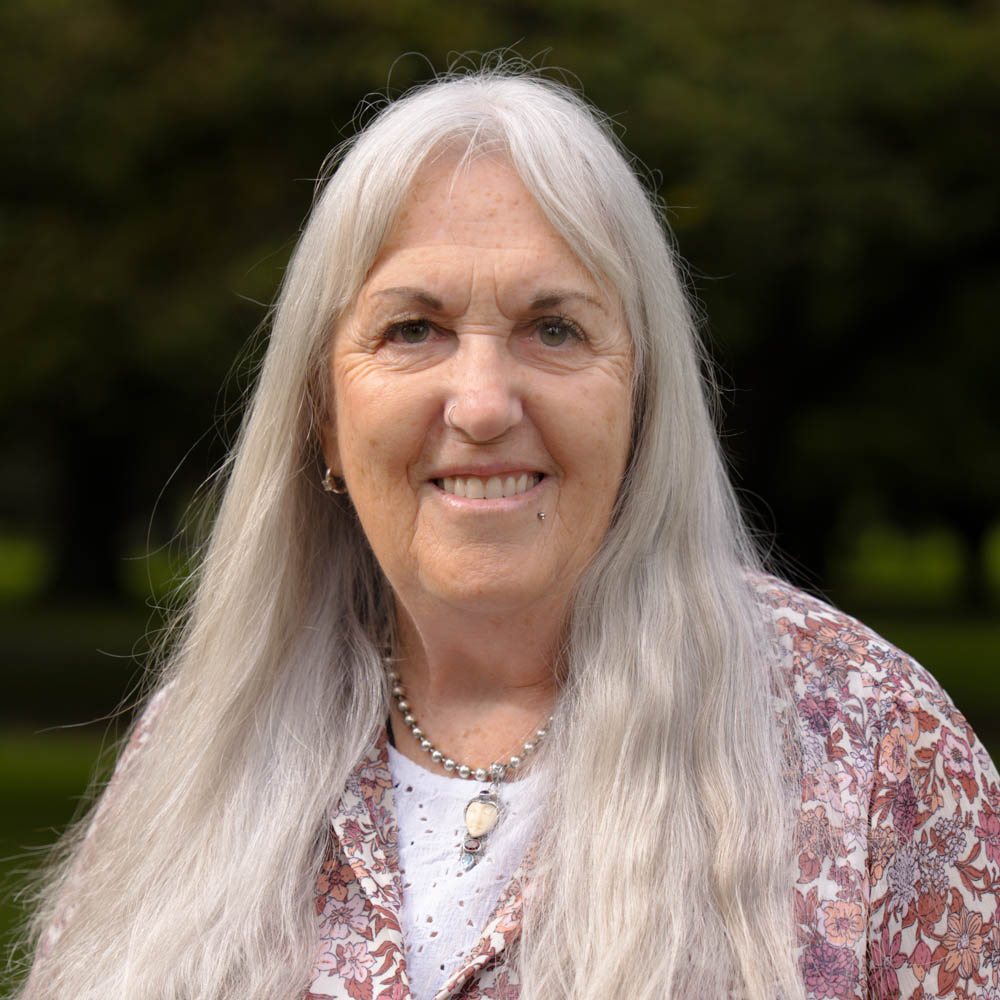
Aunty Di Baldock
Trawlwoolway Elder
Aunty Di served as the Chief Executive Officer of the Circular Head Aboriginal Corporation (CHAC), an Aboriginal Community-Controlled Health Organisation, and as Board Chair. She is a respected and influential advocate for Aboriginal health issues at state and federal levels and represents Tasmania on several Australian governmental committees and roundtables addressing Aboriginal and Torres Strait Islander issues. These include the Australian Bureau of Statistics and the National Aboriginal and Torres Strait Islander Legal Service (NATSILS). In 2017, Aunty Di received government recognition for her work. In 2021, she was appointed to the Board of Directors for the Royal Flying Doctor Service - Tasmania. She also serves on the Boards of the Tasmanian Aboriginal Legal Services, Rural Health, and AgriTAS.
Aunty Di is instrumental in connecting Aboriginal communities in Tasmania through the Tasmanian Regional Aboriginal Communities Alliance (TRACA). She led a state-wide initiative to improve the health of Aboriginal people, and this initiative resulted in the establishment of the Tasmanian Aboriginal Health Reference Group (TAHRG). TAHRG's focus is on the provision of culturally safe health care and advocacy for changes in policy to support the provision of Aboriginal community-controlled health services across the state.
Aunty Di publishes regularly. National and philanthropic funding Aunty Di has secured has enabled needed improvements in health services in Aboriginal communities in North-West Tasmania, including the qualification of staff as Aboriginal Primary Health Care Workers (Practice), an essential role in this rural and remote community where there are no Aboriginal General Practitioners and no resident Aboriginal allied health professionals.
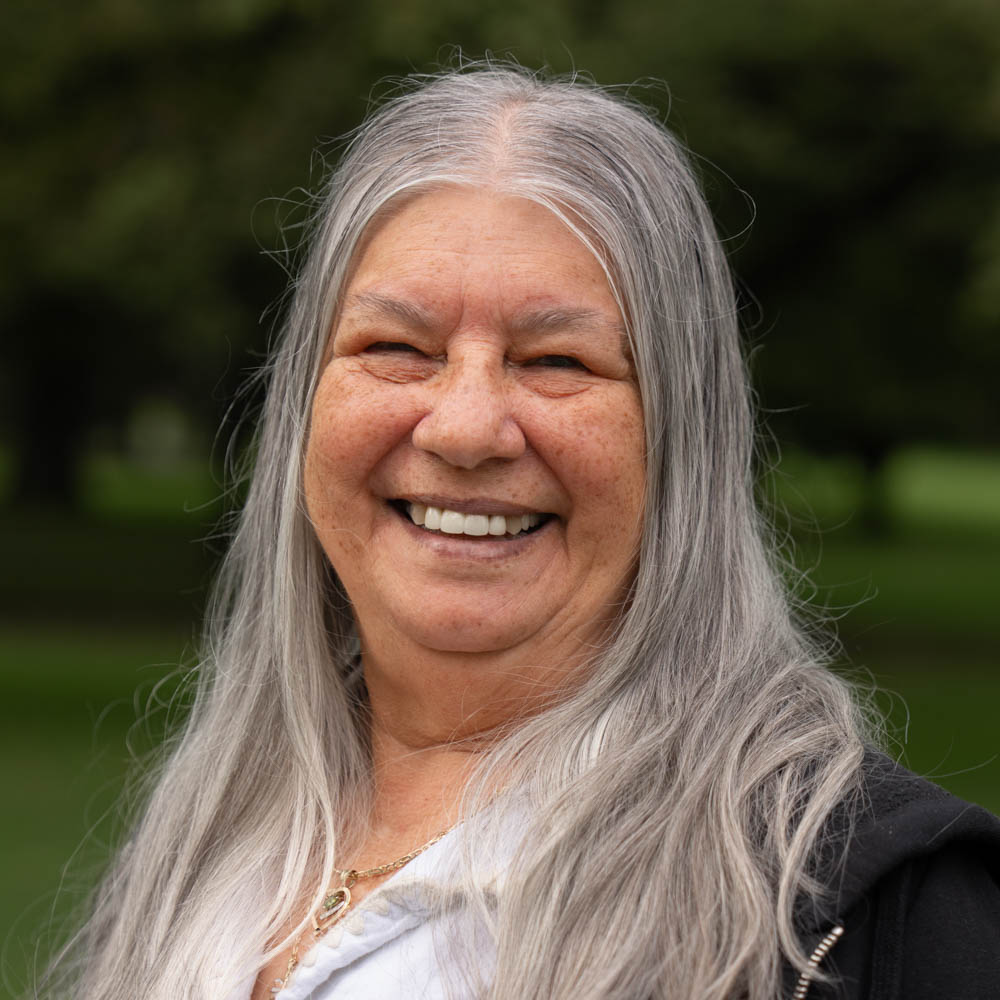
Aunty Yasmin (Jill) Abdullah
Wudjari Elder
Aunty Jill is a Board member on the Wudjari Aboriginal Corporation and Langford Aboriginal Association Inc, serving Indigenous family members and Indigenous people in the community. She is one of 12 Elders from 4 states invited to co-design and co-deliver an online unit, funded through our MRFF grant, and offered through the Wicking Dementia Research and Education Centre at the University of Tasmania. The direction and inclusion of Indigenous Elders is new knowledge, privileged and attributable to increasing improved, efficient, effective and culturally relevant care for people with dementia in an international and recognised field of research.
Aunty Jill has a Master of Social Science and a Master of Communication and Cultural Studies. These achievements have been recognised in the community where she provides leadership and mentoring. Aunty Jill's awards include the inaugural 1995 WA Aboriginal Education and Training Award of Excellence for Outstanding Achievement, the 1996 WA NAIDOC Scholar and 1996 National NAIDOC Scholar of the Year. From 1996 to 2003, Aunty Jill co-ordinated a postgraduate research program at the Centre for Aboriginal Studies, Curtin University of Technology. She taught, supervised and supported Indigenous students in health-related research to achieve their career development and influence improvement in health care systems so non-Indigenous health professionals can identify what they can do to improve the experience of Indigenous peoples in providing holistic and cultural safety to improve the Closing the Gap targets. As an Elder on the MRFF grant, Aunty Jill was invited to present at the annual Australian Association of Gerontology (2024) and Australian Dementia Research Forum (2025).
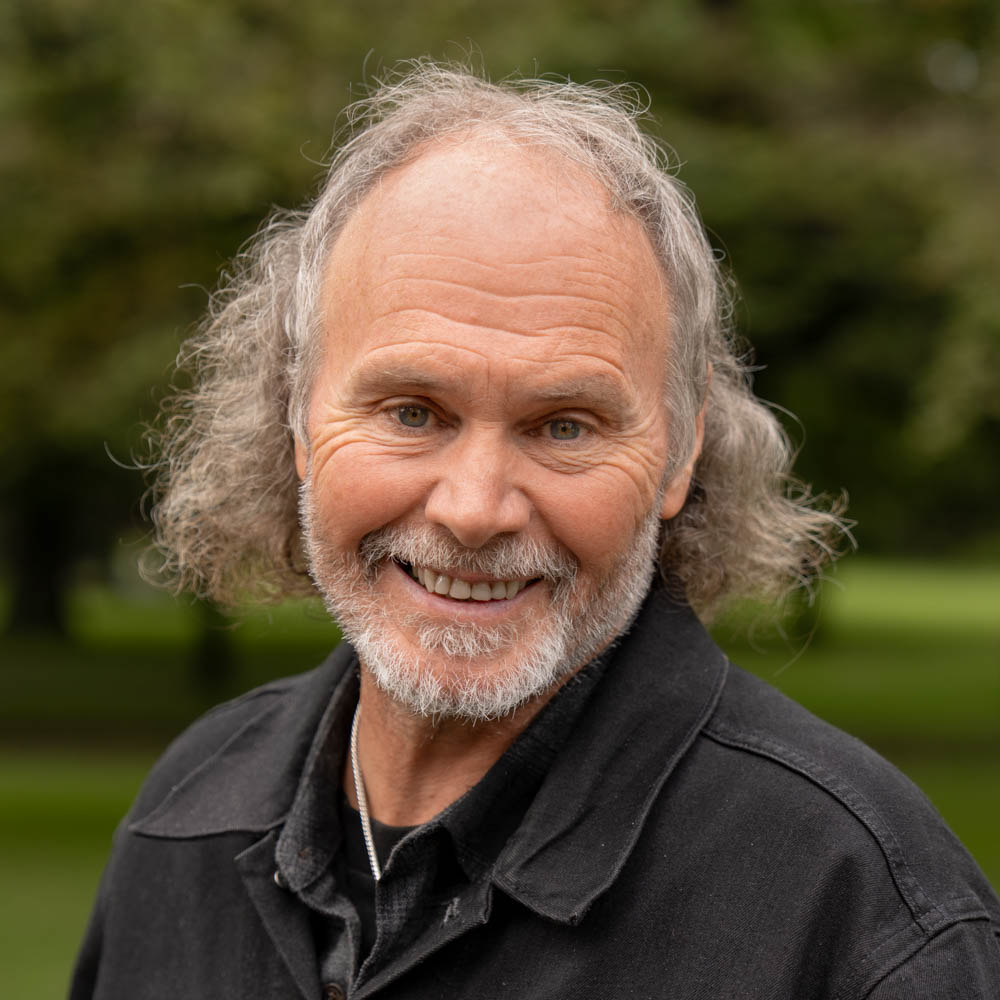
Uncle Leslie Dick
Trawlwoolway Elder
Uncle Leslie was born in Burnie on the North-West coast of Tasmania on Tommeginne Country and grew up in the small town of Somerset. His mother was a fourth great granddaughter to the Trawlwoolway/Pairrebenne clan Chieftain and Clever Man Mannalargenna of the Coastal Plains Nation which today is in the Cape Portland area of North-East Tasmania. He is a fifth great grandson of Mannalargenna. He is a sacred fire keeper and Aboriginal smoker which he inherited through blood and spirit from Mannalargenna, his guide and protector from birth. Uncle Leslie inherited a spiritual sensing ability from Mannalargenna which he constantly uses and applies to his everyday practices.
Uncle Leslie's Tasmanian Aboriginal grandmother was born in 1884 at Emu Bay, now Burnie, and lived two doors from his family home. He spent about eight years around his great grandmother where he was taught culture from observing and listening and hunting and gathering which he practiced on the Country where he lived. He observed his great grandmother communicating with two large hairy black spiders that she could call into their webs in Aboriginal language; she called them her spirit helpers; she would consult with her spirit helpers when she had a problem. Uncle Leslie has been performing Tasmanian Aboriginal Smoking Ceremonies for community and government events, like NAIDOC week, and other special gatherings and events around Tasmania for nearly 25 years. He re-established his grandfather Mannalargenna's smoking ceremony where he made and used a smoking stick to perform a Smoking Ceremony. He has made many Aboriginal fire hearths for community and government organisations around Tasmania. He has also studied and practiced culture with Native American medicine people in South Dakota in the United States.
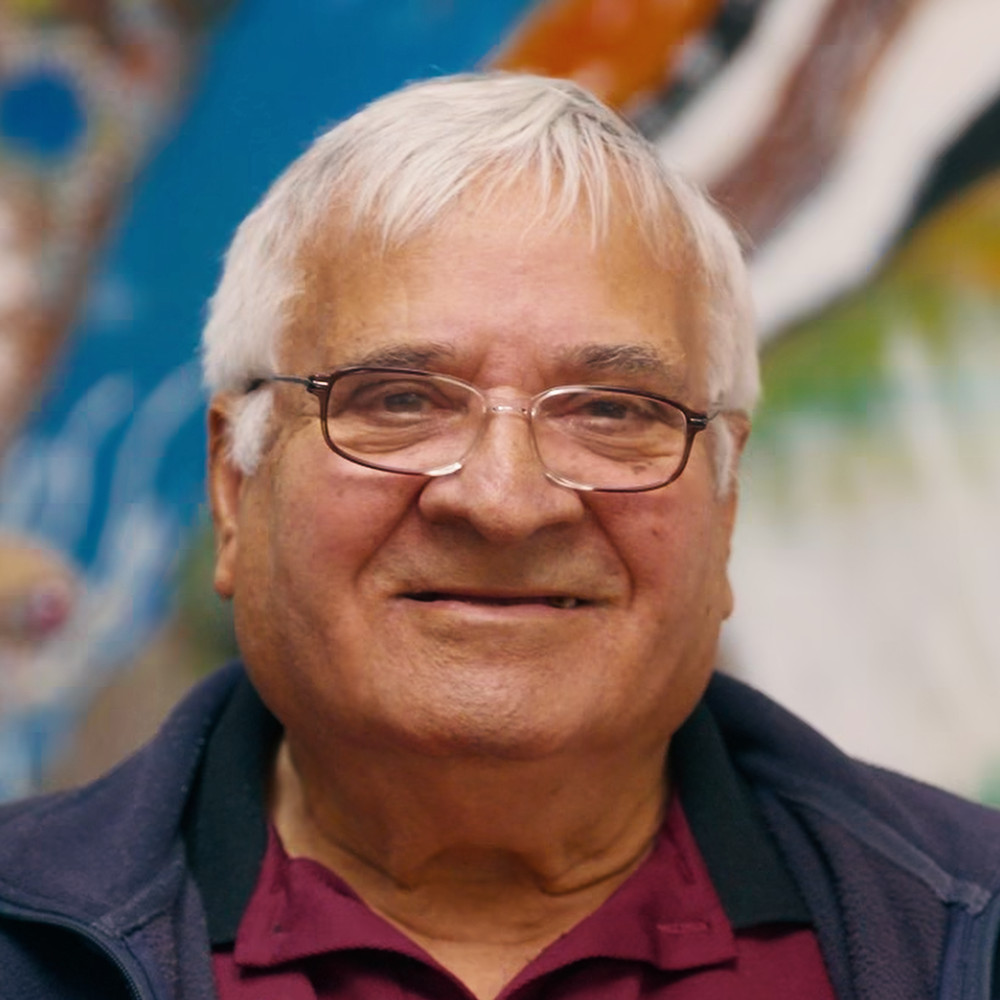
Uncle Danny Kelly
Mutthi Mutthi and Wamba Wemba Elder
Uncle Danny is a member of the Wamba Wemba Aboriginal Corporation and has over 40 years' experience working in the Victorian Aboriginal Community beginning with the Victorian Aboriginal Child Care Agency (VACCA). He has a background in Social Work and worked in Koorie Services /Human Services Swan Hill in establishing the Mutthi Miah Aboriginal Family Preservation Program with Rumbalara and Morewell. In 2001 Uncle Danny worked to establish the Balranald Aboriginal Medical Service, NSW. For 15 years he served on the Wilandra World Heritage Joint management committee for Mungo National Park, NSW as the Mutthi Mutthi representative. Uncle Danny has served on the Special Ethics Committee for NSW Aboriginal Health Medical and Research Council since December 2004.
As of 2024, Uncle Danny has joined the Victorian Treaty process as one of the Elders on the Elders Voice for Treaty Group. He is currently working on the University of Tasmania led “Privileging the spirit, voices, and culture of Aboriginal peoples in dementia care: education for non-Aboriginal health care providers” as a Victorian Elder representative with the University of Melbourne.
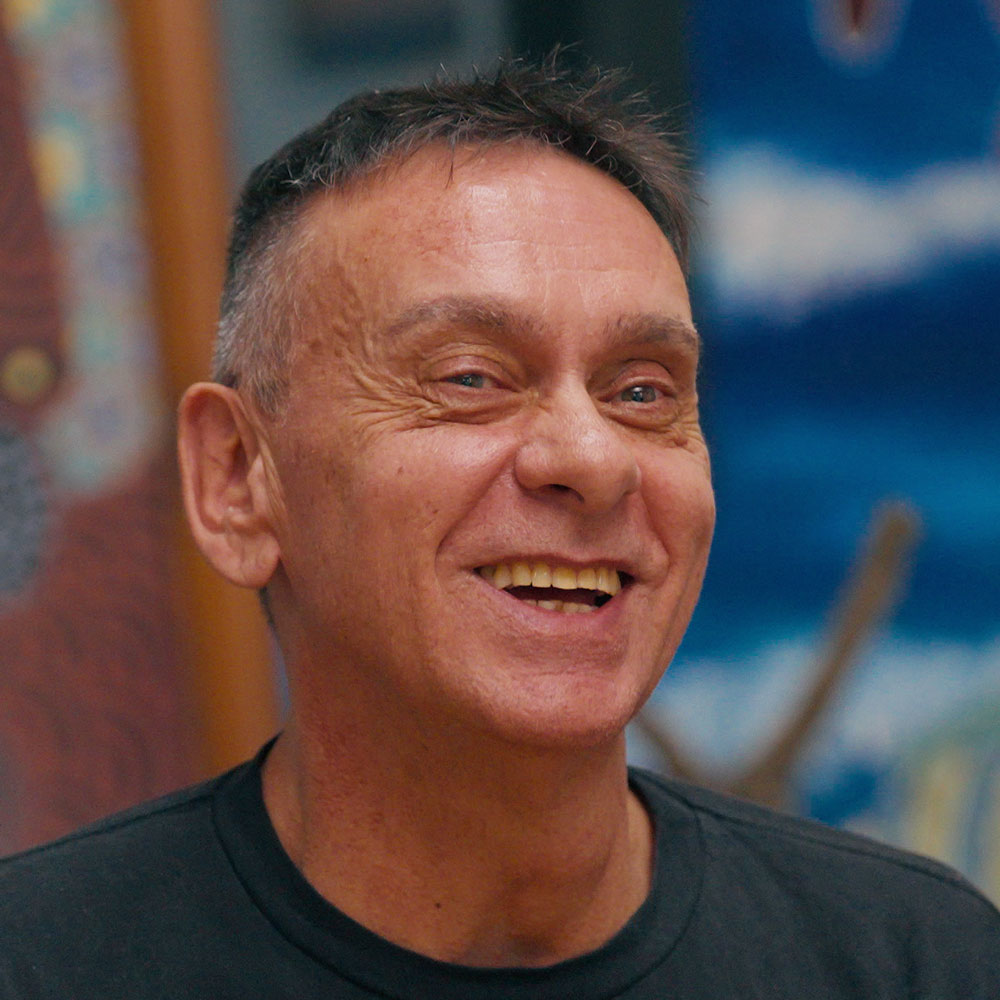
Uncle Harold (Harry) Douglas
Gunnai Elder
Uncle Harry has worked in the Indigenous health and aged care sector for over 25 years, and as a researcher since 2018. Uncle Harry's research interests include improving health outcomes and quality of life for older Aboriginal and Torres Strait Islander peoples, particularly with regard to dementia care and LGBTQISB Elders. Harry is passionate about advocating and caring for Aboriginal Elders in Community and using research to further these aims.
Skills summary
- High-level expertise in Aboriginal and Torres Strait Islander advocacy and outreach
- Experienced Aboriginal health researcher, with expertise in participant recruitment and data collection activities, including formal assessments and data entry
- Experienced aged care and health worker
- Trusted member of the Aboriginal Community in Melbourne and Victoria
- Excellent written and verbal communication skills
- Experienced workshop facilitator and conference presenter.
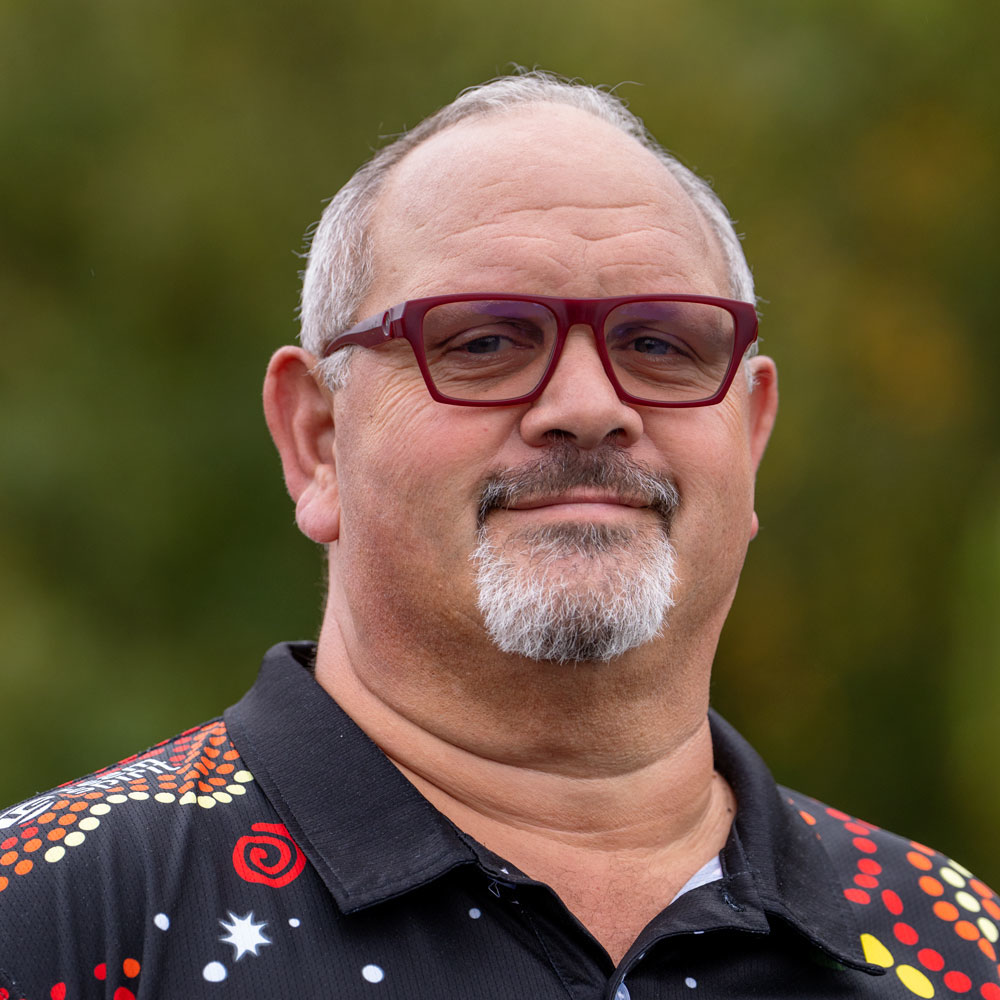
Uncle Darren Holten
Dunghutti, Gumbaynggirr, and Widjabul-Wiabul Elder with extended connections to the Yuin and Yaegl peoples
These connections are not simply part of my history - they are living, breathing parts of my identity that guide how I walk in the world. My family, kinship, and community roles are some of the most important in my life. They come with responsibility, accountability, and the understanding that the way you live sets an example - whether you realise it or not. Family, to me, is about care, guidance, protection, and making sure the next generation feels seen, supported and strong in who they are. As a messenger to my community and beyond, I carry stories, truths, and lessons with honesty and respect - representing my people with dignity, whether I am on Country, within community spaces, or engaging more broadly.
My cultural background has taught me the importance of connection - connection to land, to people, to story, and to responsibility. It has grounded me in understanding that success is not individual. It's shared. It's something you carry for those who came before you and those who come after. I've learned that growth often comes through discomfort. Some lessons arrive through achievement, others through hardship. Every experience leaves something behind if you are willing to learn from it. I try to walk in a way that honours my ancestors, supports my family, strengthens my community, and leaves a path that others can follow with pride.
I am a staff member at Booroongen Djugun, an Aboriginal Community-Controlled residential care community and Chair of the Board of Directors at the Durri Aboriginal Corporation Medical Service in Kempsey, NSW. I am also a recognised poet and storyteller, facilitator of community engagement and communication, valuing the ideologies of building a more sustainable community environment through programs and partnerships as well as helping in unity to create educational opportunities and pathways.
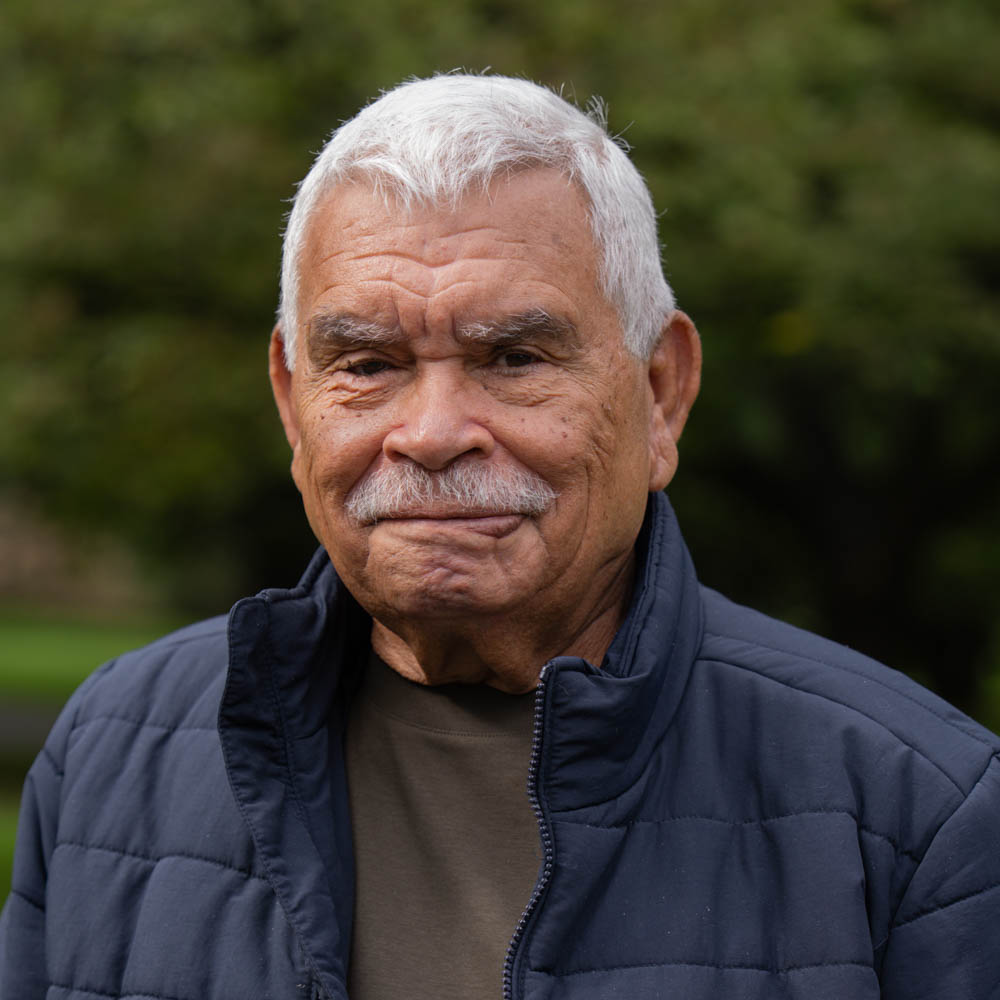
Uncle Terry Donovan
OAM, a Gumbaynggirr / Biripai Elder
Uncle Terry's father was a Gumbayngirr man and his mother a Biripai woman. Uncle Terry has had a diverse career, from military service, working in local government and non-for-profit community services to providing education to health professionals on Aboriginal Cultural awareness. Additionally, Terry worked with the National Parks & Wildlife Service of NSW as one of 3 Aboriginal Sites Officers. As an Aboriginal Sites Officer, he travelled to all Aboriginal communities in NSW and collected information about Aboriginal Sacred sites, Aboriginal occupational sites and Aboriginal history and Culture. This process was to instigate registration and preservation as a sacred site.
Uncle Terry has also worked as:
- a lecturer at TAFE;
- an Aboriginal Case Worker - Youth Support Worker;
- an Aboriginal Housing Corporation Coordinator;
- a team Leader and labourer on Nambucca Shire Council; and as an outreach worker, with the North Coast Primary Health Network.
Most recently, Uncle Terry worked with the Aboriginal Health & Ageing Program at Neuroscience Research Australia for 8 years as a Knowledge Translation Officer, working closely with Aboriginal communities to collaborate on research and translation projects related to ageing and dementia.
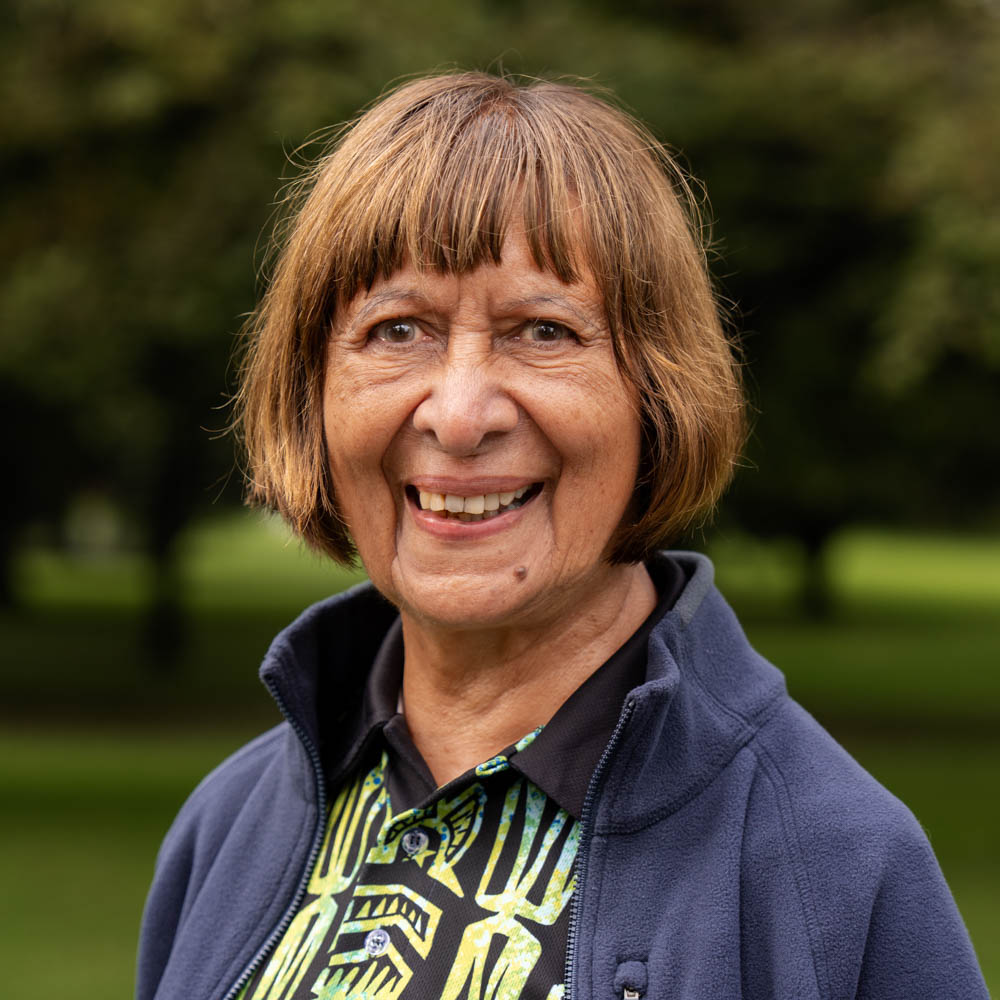
Aunty Dawn Gilchrist
OAM, Yamatji Elder
Aunty Dawn was born on Bidgemia Station, Western Australia. At the age of six, she entered Carnarvon Churches of Christ Mission for schooling. She trained as a nurse in Adelaide and Perth (1964-1968), and completed Midwifery training at Crown Street Women's Hospital, Sydney. She worked as an Operating Theatre Nurse at Parramatta Hospital, gaining experience with leading surgical specialists. Motivated to help her people, Dawn worked at Alice Springs Hospital and in Yuendumu, where she recognised the importance of culturally safe, community-led health services.
After marrying and having children, she worked at the Perth Aboriginal Medical Service (now Derbarl Yerrigan) in the Home and Community Care team. She completed a Bachelor of Science (Aboriginal Management and Community Development) and Master's in Public Health. She spent 12 years in Aboriginal Health in the Goldfields, then returned to Perth to coordinate the Mum's and Bub's program at Wadjak Northside Aboriginal Community Centre. Retired since 2019, she is an active Elder, continuing involvement with Wadjak and supporting literacy programs for Aboriginal children at a local primary school. She is currently enjoying working with other Elders in co-designing the dementia program for Elders at UTAS.